
Ngorongoro Conservation Area
8,292 km²
Conservation Area
25,000+
Large Animals
500+
Bird Species
UNESCO
World Heritage Site
← Northern Circuit
Ngorongoro Conservation Area
The World's Largest Volcanic Caldera
The Ngorongoro Conservation Area (NCA), established in 1959 to allow coexistence between wildlife and semi-nomadic Maasai pastoralists, was inscribed on UNESCO's World Heritage List in 1979. Part of the Serengeti-Ngorongoro Biosphere Reserve, it is a notable example of sustainable land management where approximately 88,000 indigenous people live in harmony with wildlife.
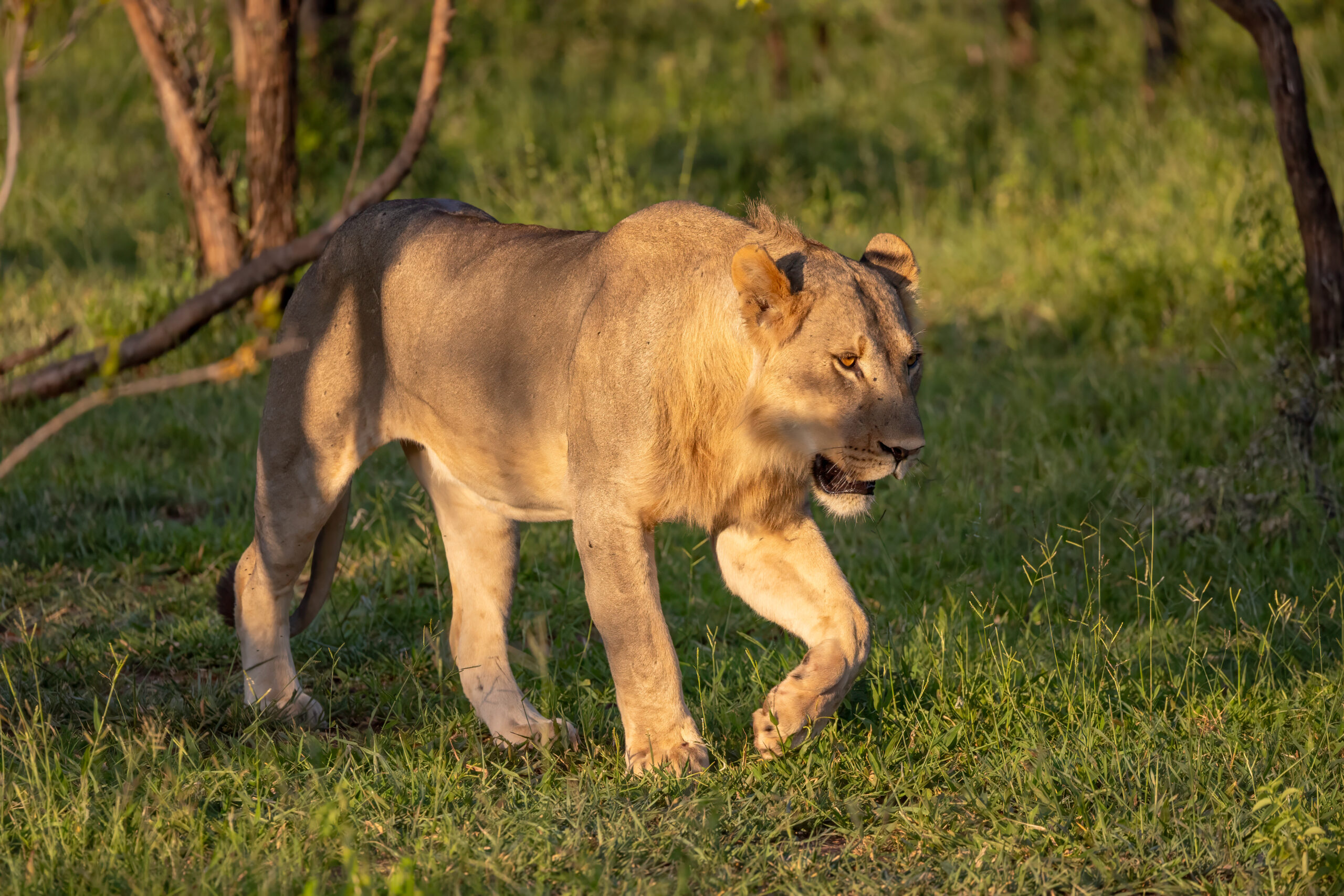
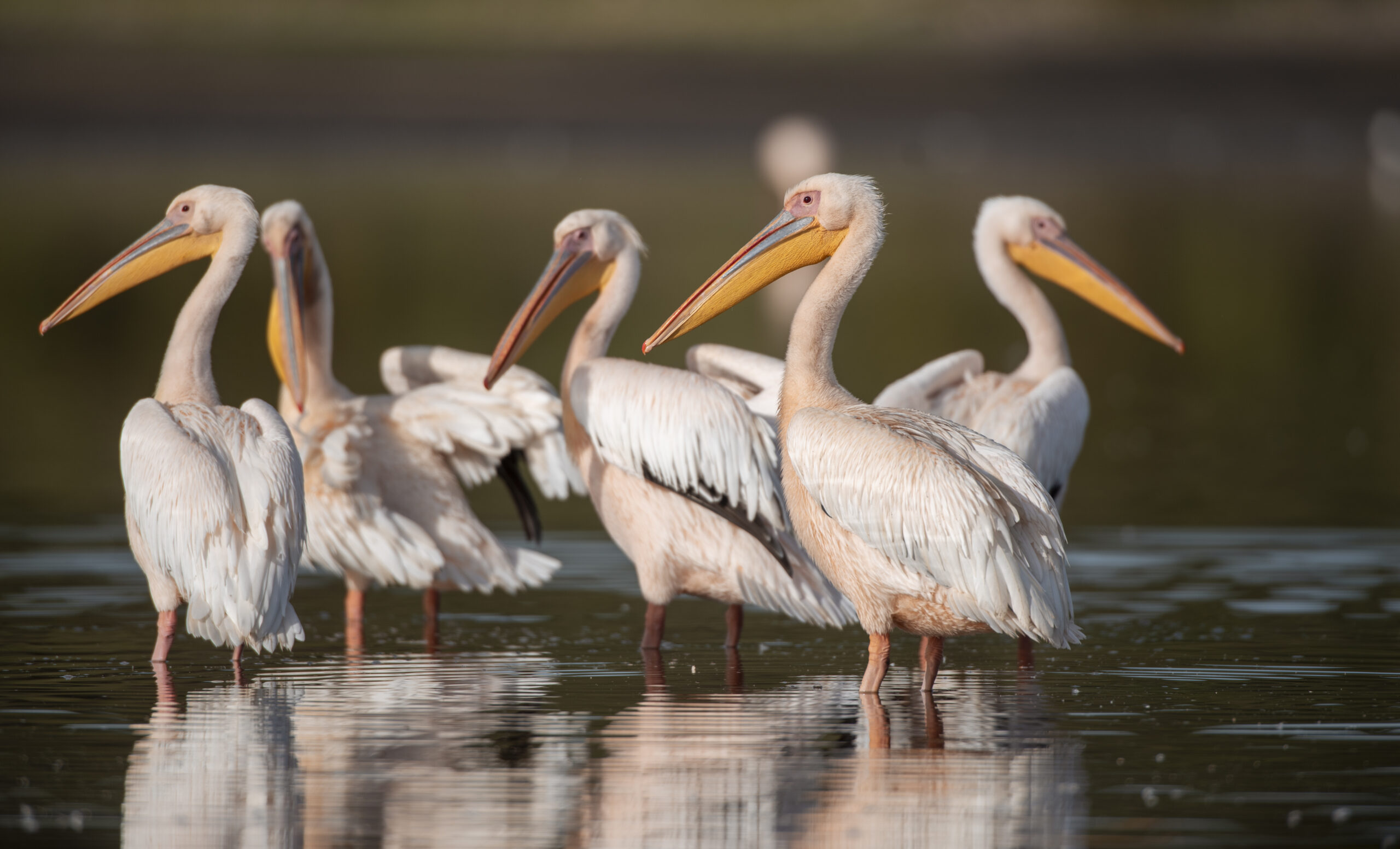
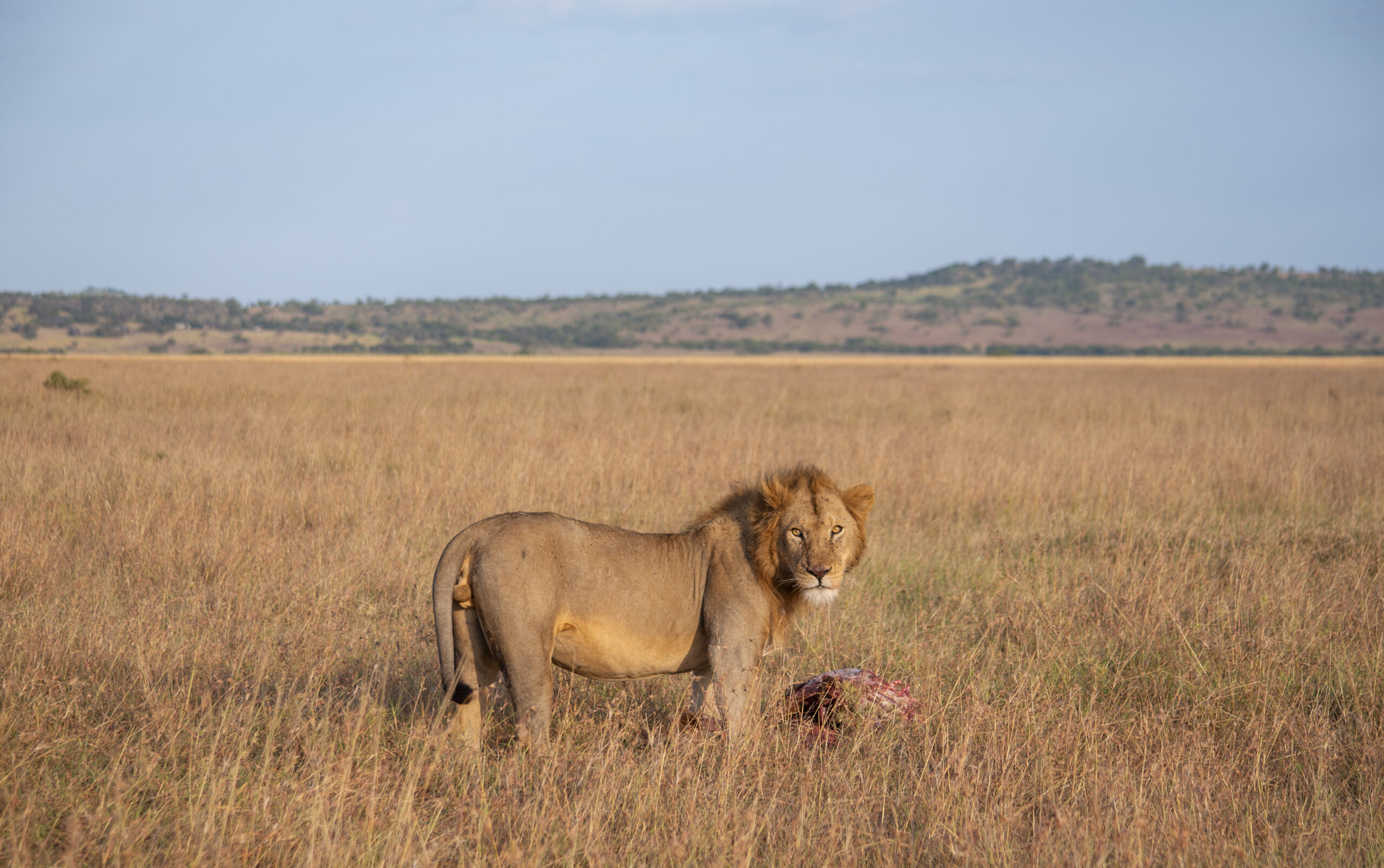
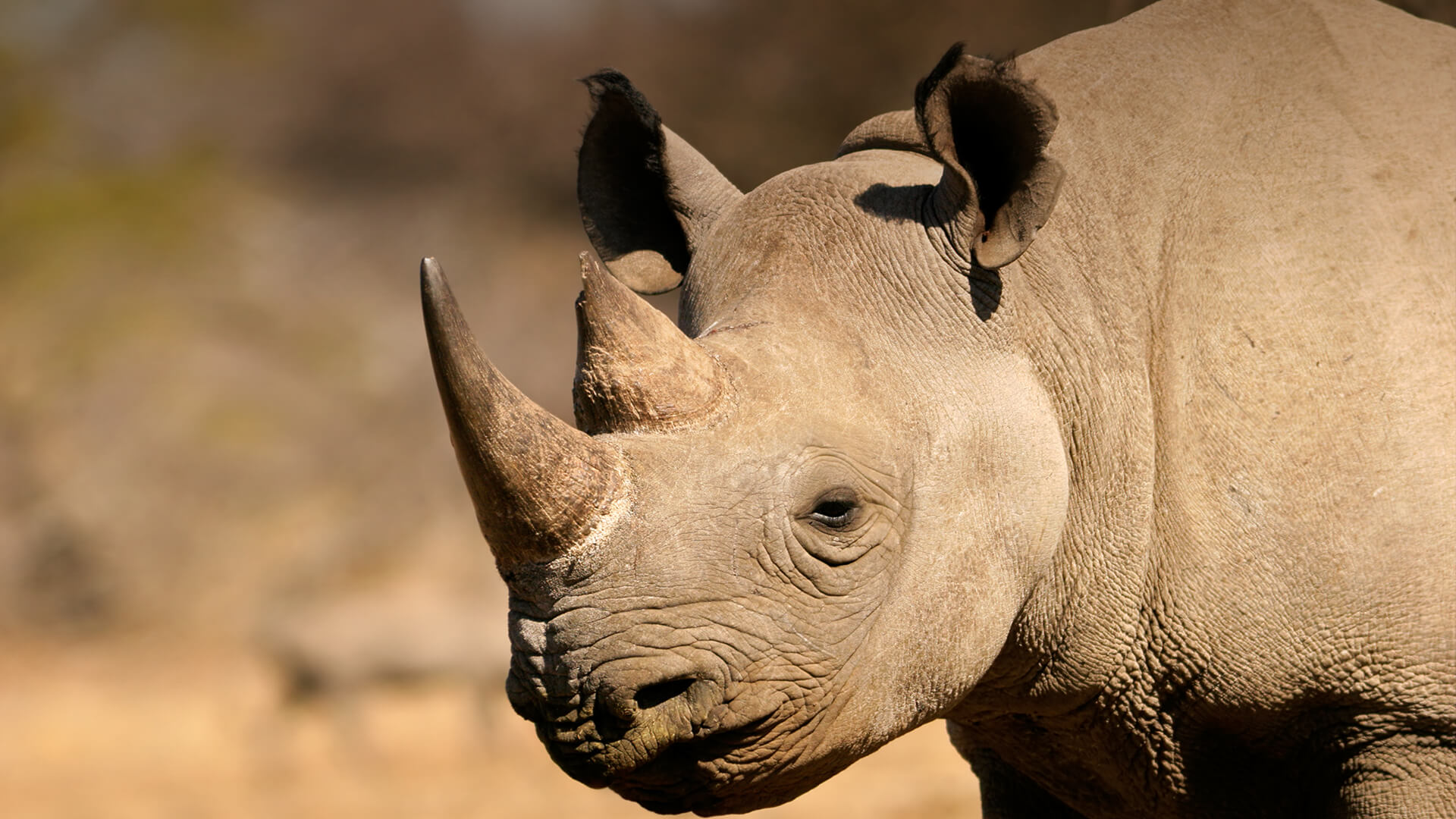
Home to the Ngorongoro Crater — the world's largest unbroken caldera — the NCA boasts diverse wildlife including a significant population of black rhinoceros and the densest lion population globally. The crater is also rich in birdlife, including the Rock Buzzard, hornbills, and the ostrich. North of the Seneto springs, the goose ponds attract various water birds, serval cats, lions, and hyenas hunting in the marshes.
Five Key Areas
Explore the Conservation Area
Ngorongoro Crater
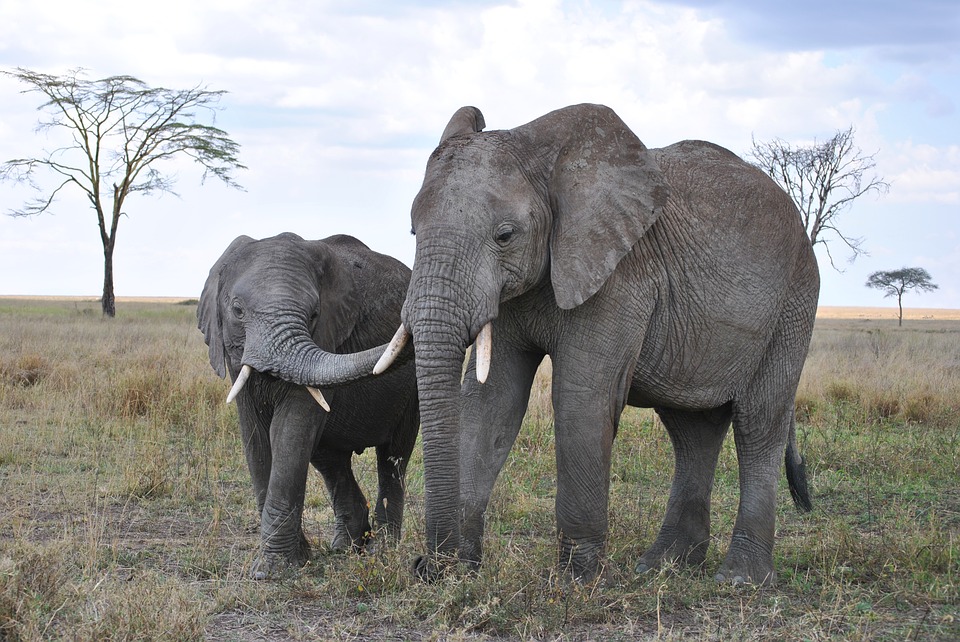
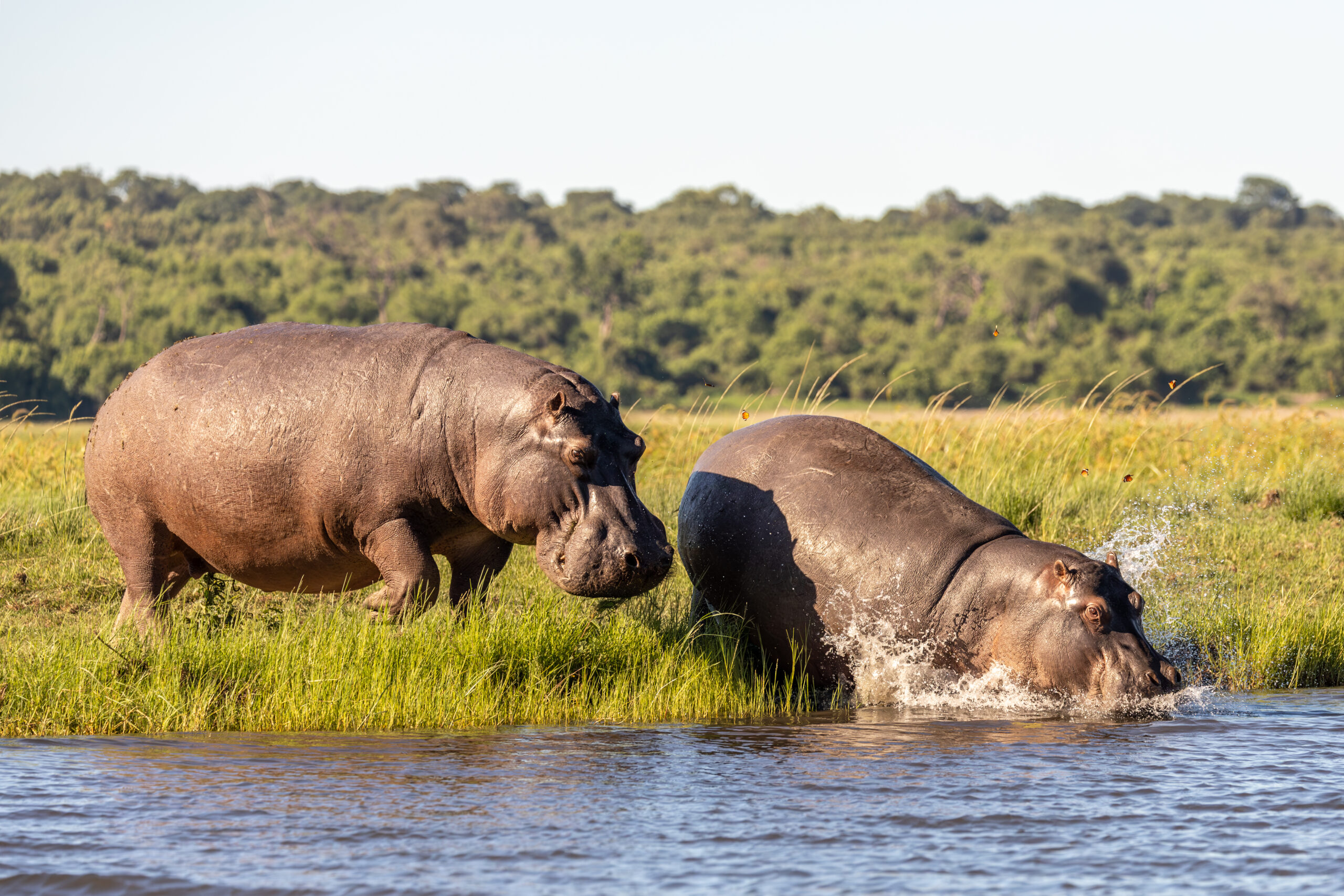
The world's largest unbroken volcanic caldera, sheltering over 25,000 large animals including endangered species. Home to the densest lion population globally and a significant black rhinoceros population, alongside hippos at Lake Magadi and flamingos at seasonal waters.
Empakai Crater
A natural gem featuring a unique soda lake that supports various species including flamingos and a wide variety of waterbirds. The steep crater walls are draped in forest, offering a dramatically different landscape to the main crater.
Olmoti Crater
A shallow, grassy crater and the source of the Munge River, which pours through a notch in the rim in a beautiful waterfall on its way to Ngorongoro Crater. A scenic walk from Nainokanoka through forest leads to the top of the falls. The crater stands at 3,100 metres above sea level.
Olduvai Gorge
A crucial archaeological site where footprints of Australopithecus afarensis — an ancient hominid — were discovered. One of the most important paleoanthropological sites in the world and an essential visit for anyone fascinated by human origins.
Ndutu Area
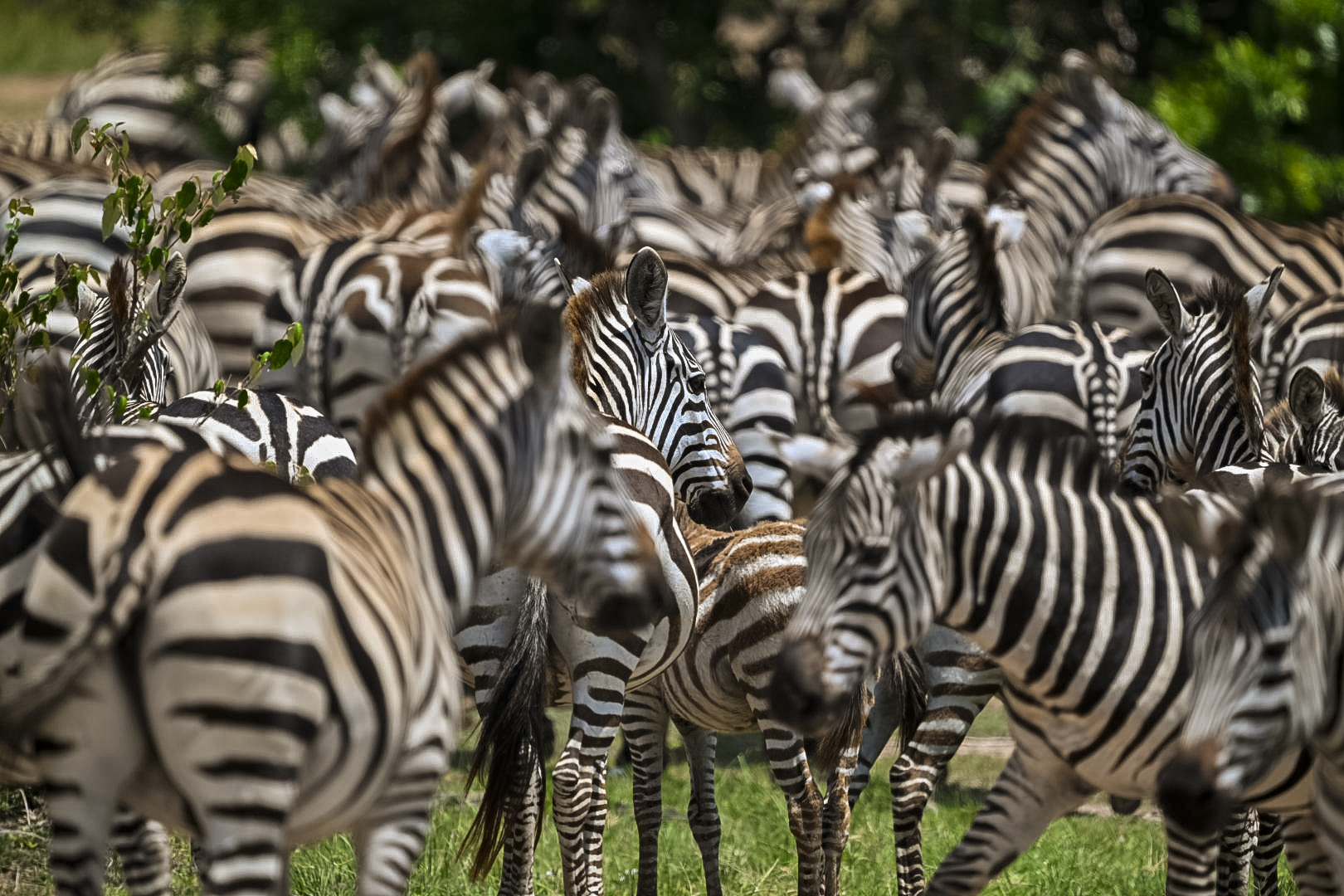
Nestled in the northwest of the NCA, Ndutu is inhabited by an estimated 1.5 million wildebeest and zebra during the calving season from December to March. The rich grasslands provide ideal conditions for raising young, attracting intense predator activity.
What to See
Wildlife & Highlights
Activities
Safari Experiences
When to Visit
Best Time to Go
Ngorongoro Crater is open year-round. The best time is November to June; July to October is also good but can be more crowded.
Ngorongoro Highlands are ideal from June to October and January to February, avoiding the short rains of November to December.
Ndutu Area is best visited November to March for the Great Migration calving season, with good wildlife viewing also from June to October.
How to Get There
Getting to the Park
By Road: Approximately 3.5 to 4 hours from Arusha, 2 hours from Lake Manyara National Park, 2 to 2.5 hours from Tarangire National Park, and just over 1 hour from the safari town of Karatu.
Through the Lens
Ngorongoro in Images
Start Planning
Ready to Descend into the Crater?
Our team will build a custom itinerary around Ngorongoro within 24 hours. No obligation, completely free.