
Serengeti National Park
14,763 km²
Park Area
530+
Bird Species
UNESCO
World Heritage Site
Year-Round
Safari Season
← Northern Circuit
Serengeti National Park
Home to the Great Wildebeest Migration
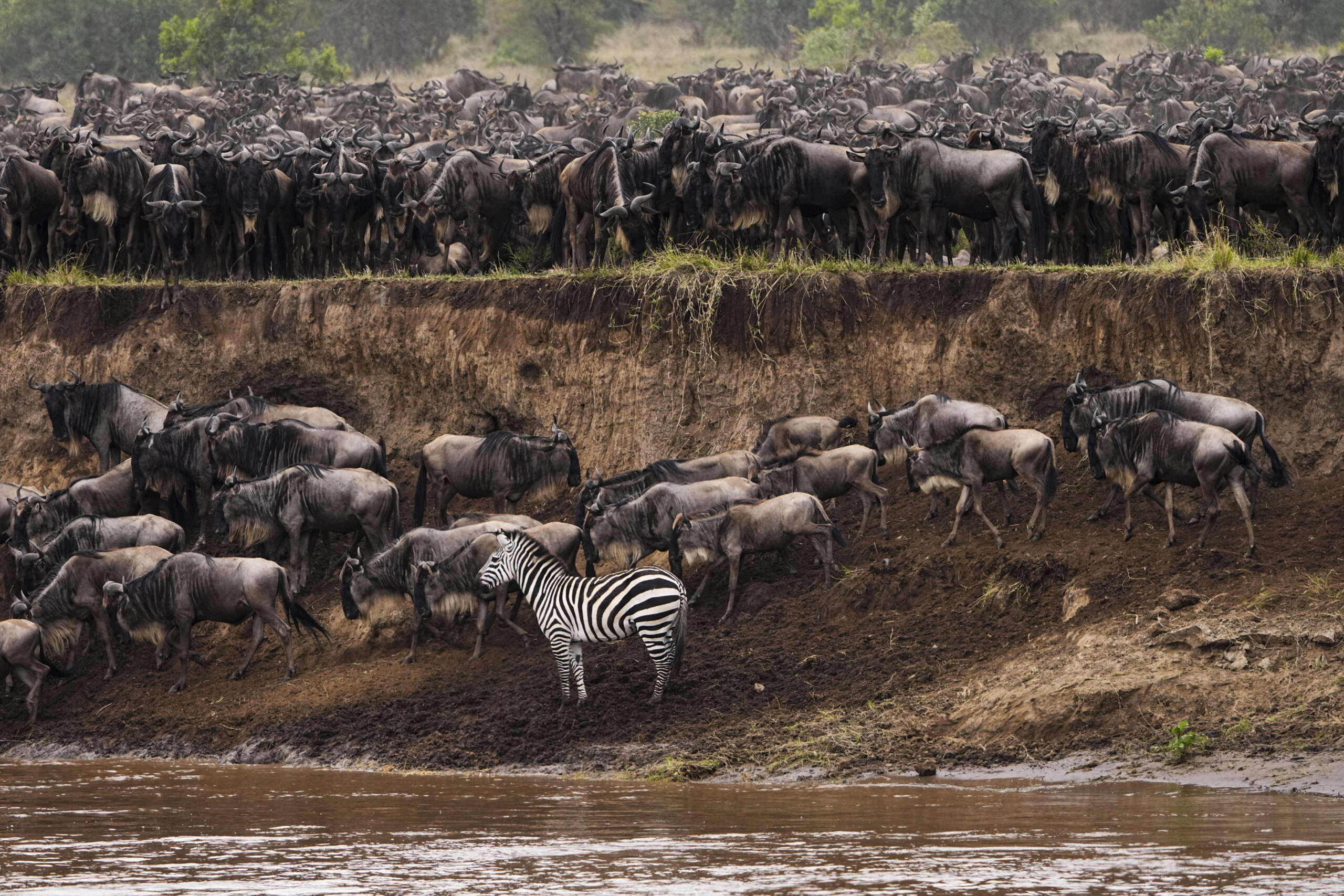
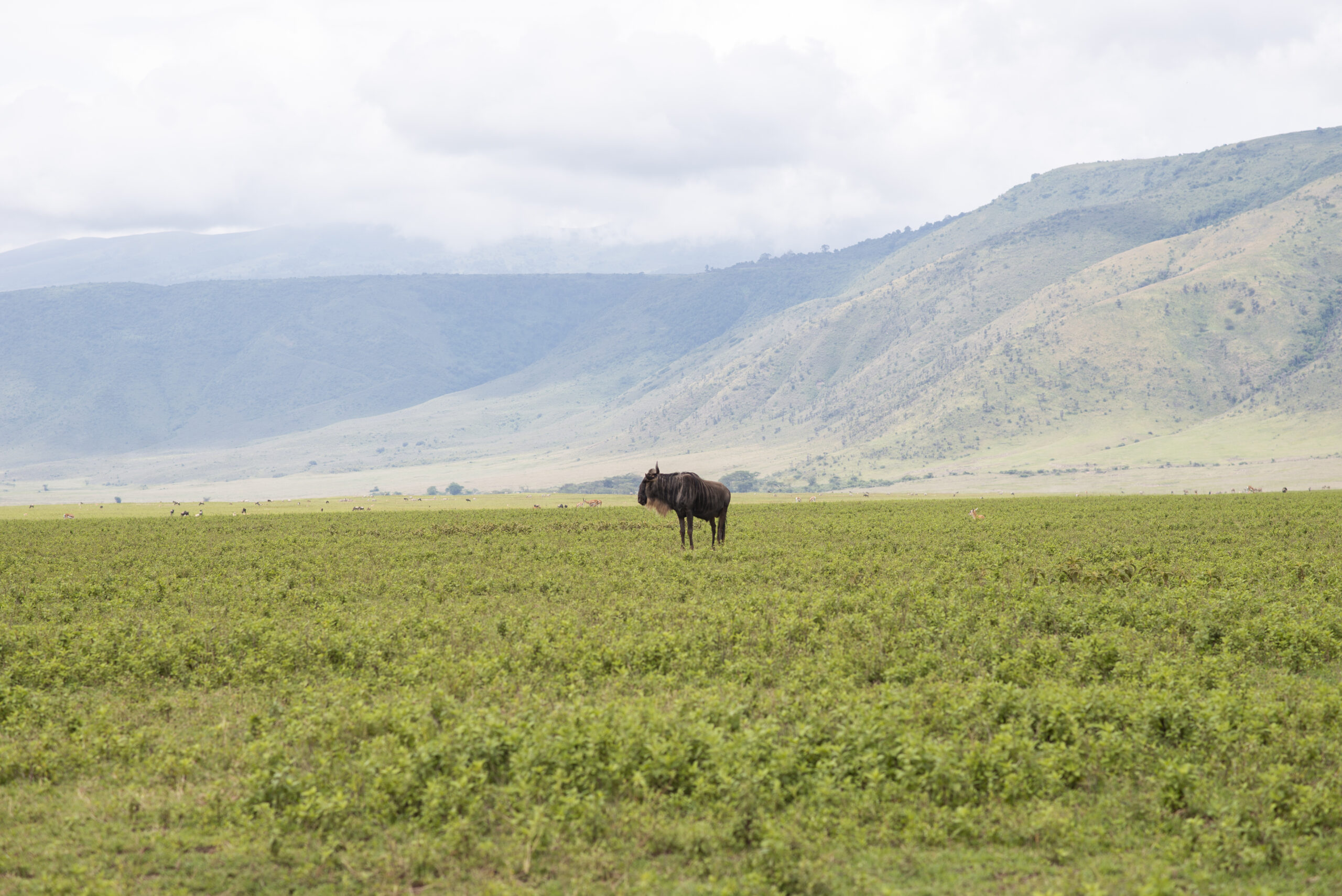
Serengeti National Park, located in north-central Tanzania, is a prominent wildlife destination known for its vast plains — its name derives from the Maasai word "Siringet." Designated a UNESCO World Heritage Site since 1981, it features the highest concentration of wildlife globally and hosts the world's last great mammal migration, following a seasonal pattern influenced by rainfall.
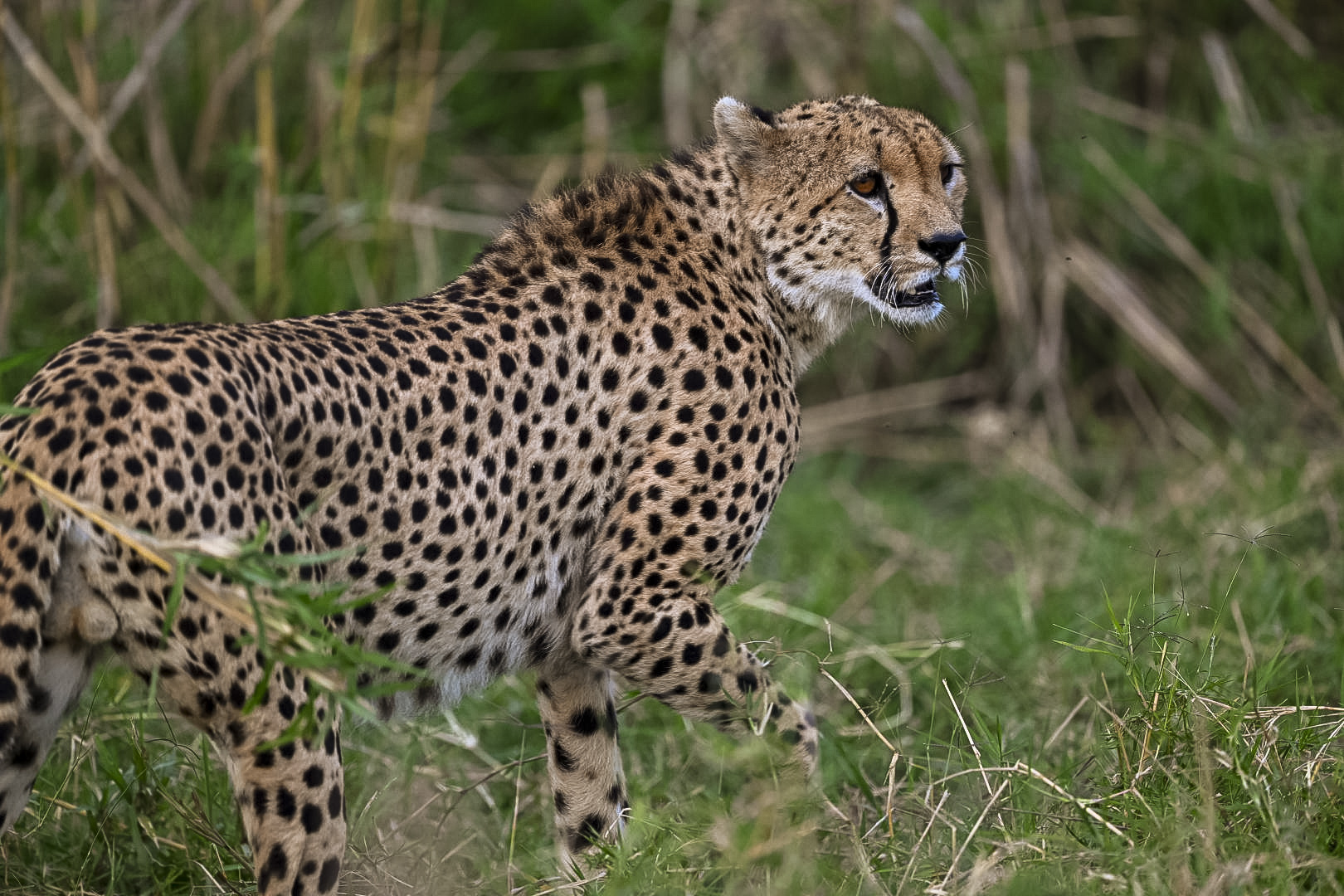
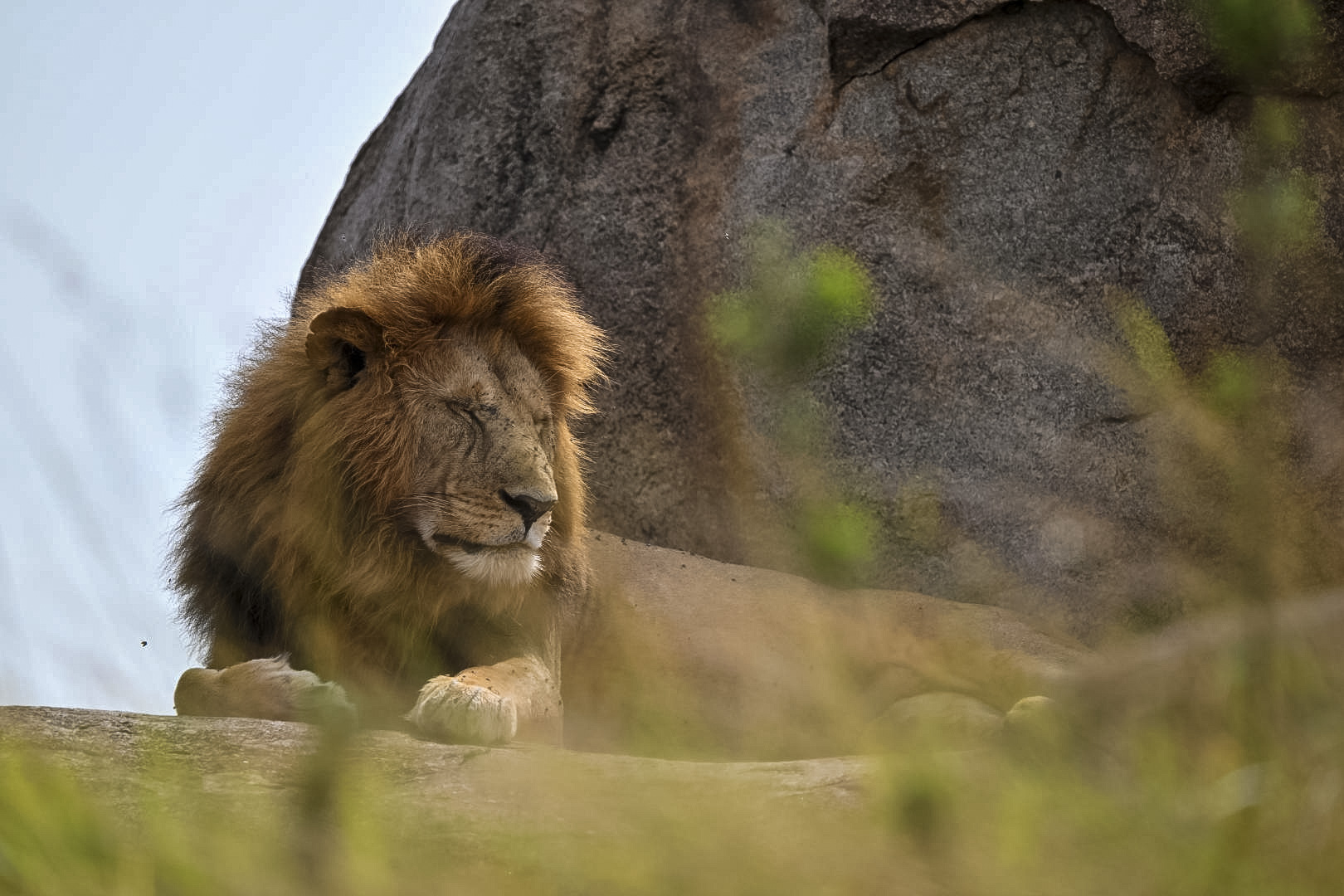
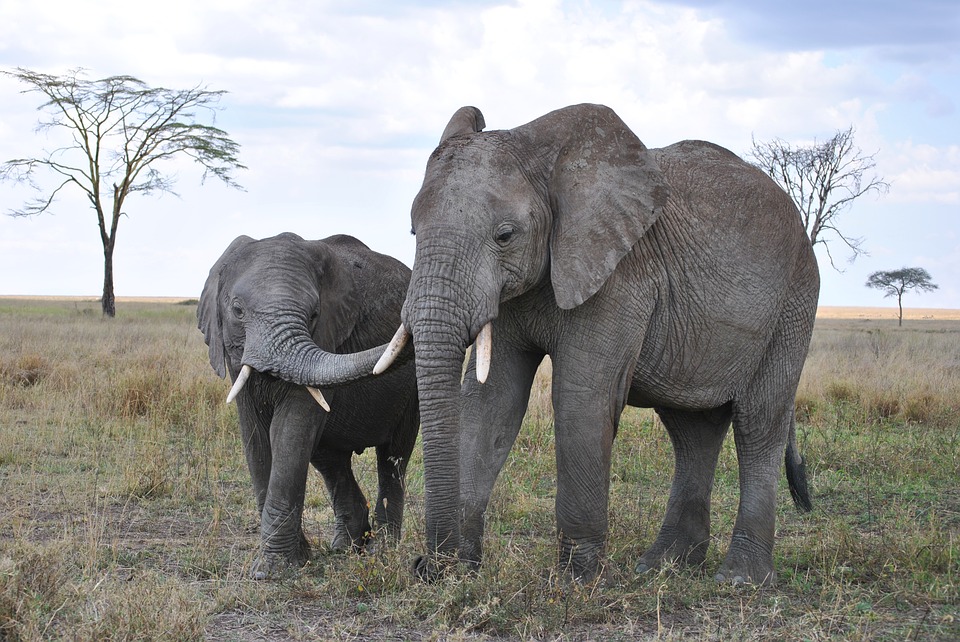
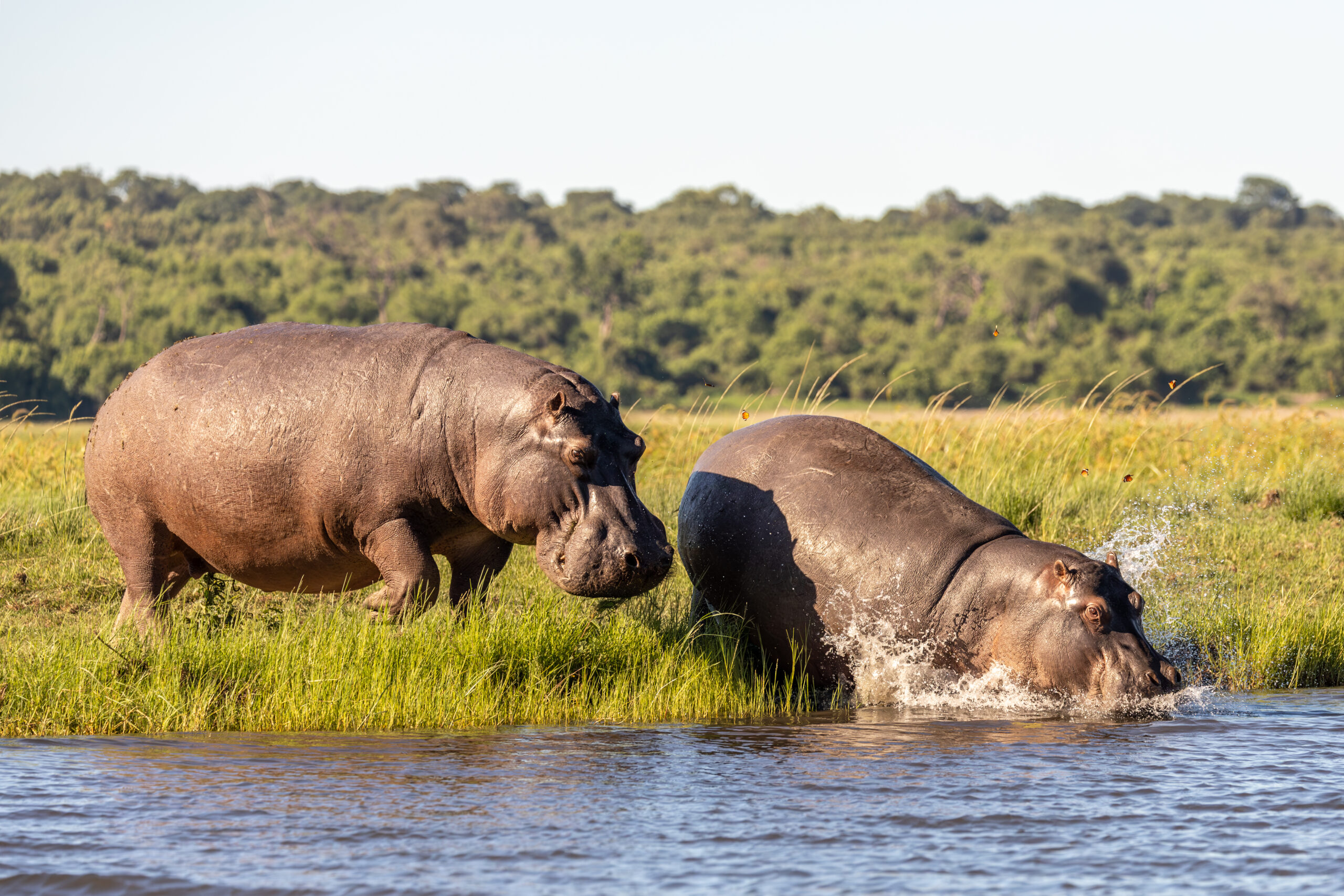
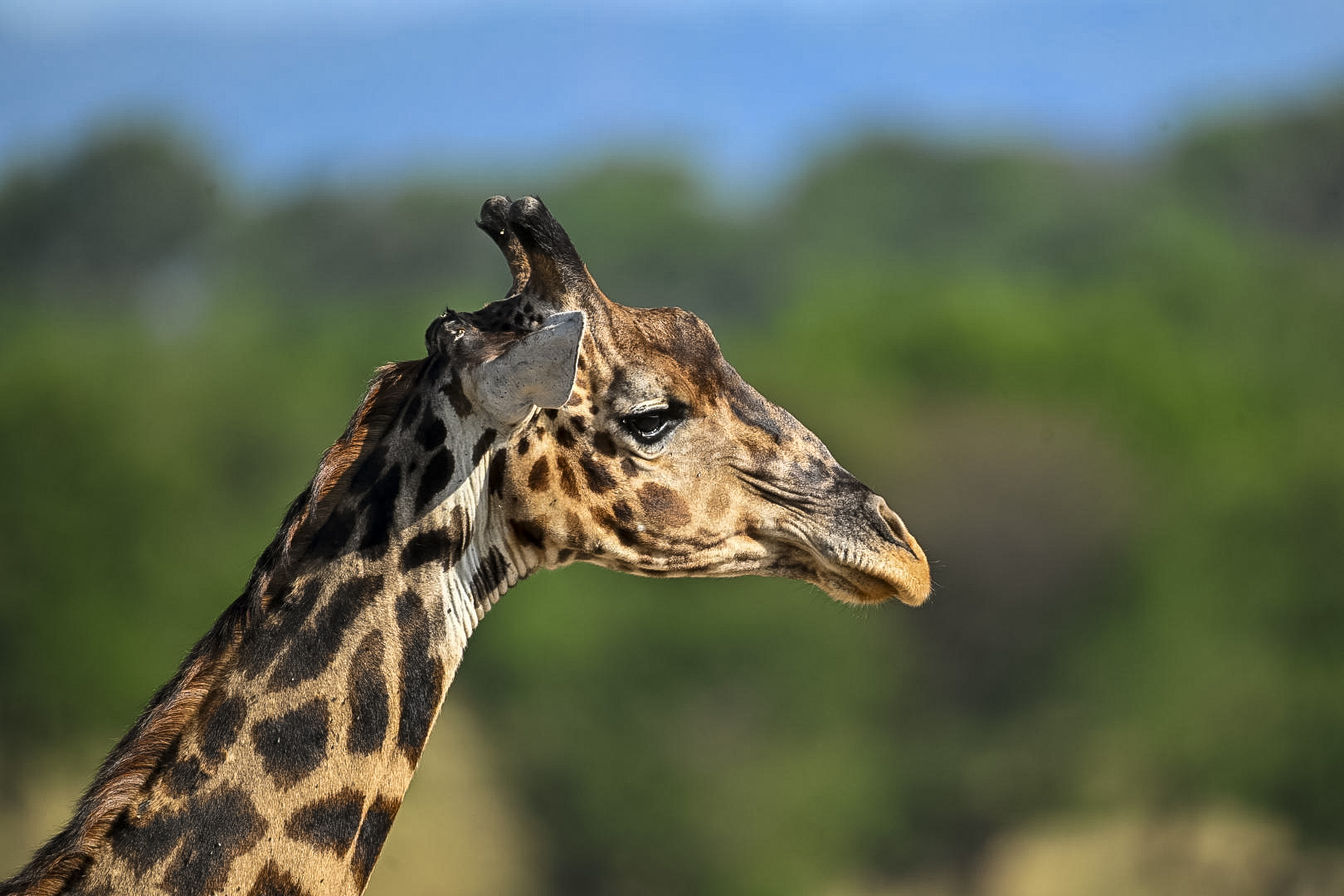
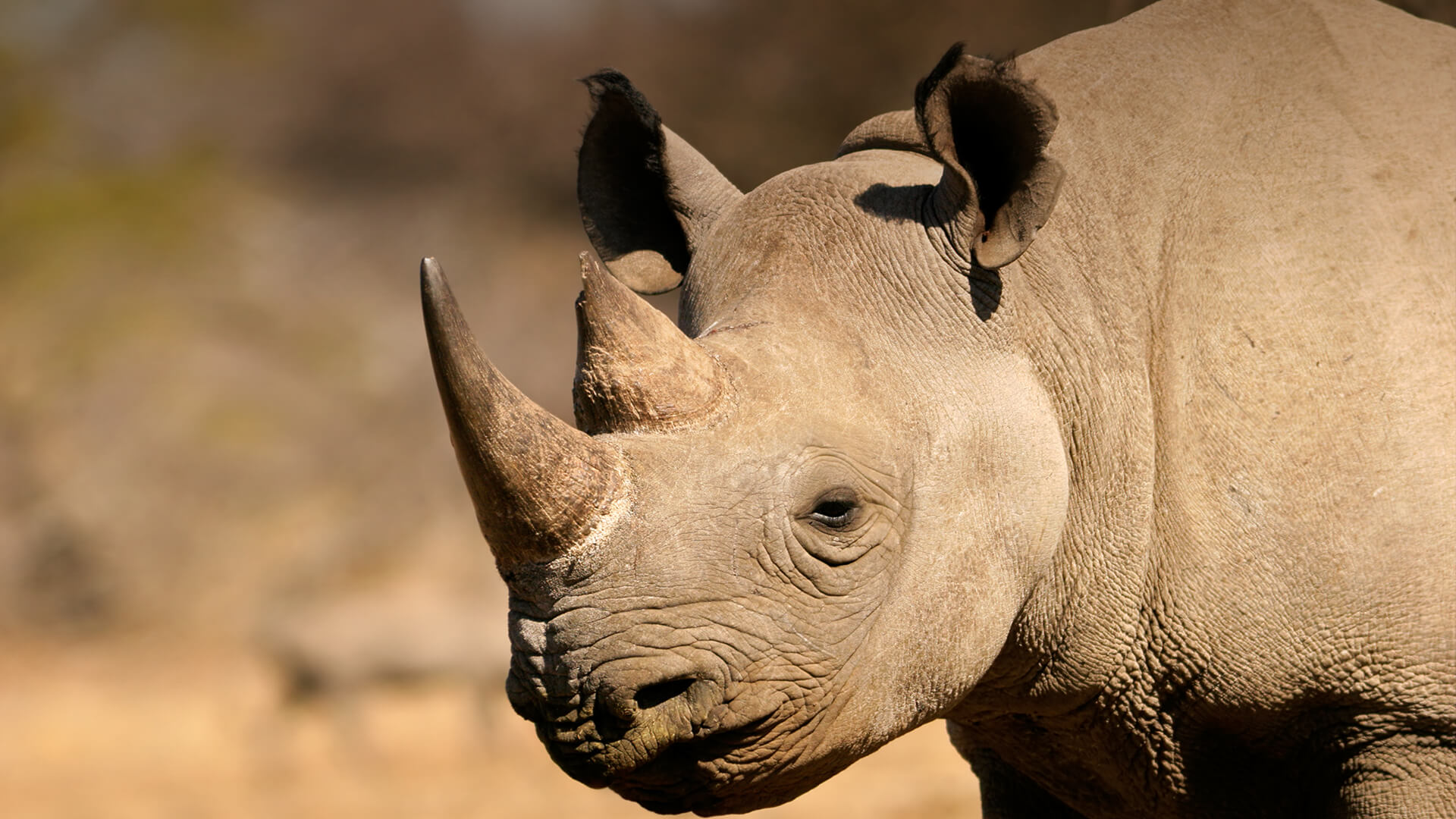
Home to over 530 bird species and a diverse range of animals, the Serengeti is famous for its Big Five and other wildlife including giraffes, cheetahs, and various species of antelope. The park's distinct ecological zones — grasslands and riverine forests — are dotted with kopjes, rocky outcrops that serve as lookout points for predators. It holds the most considerable lion pride in Africa.
Five Distinct Regions
Regions of the Serengeti
Central Serengeti (Seronera)
The most visited part of the park, known for its open grasslands and high wildlife concentration including the Big Five. The Seronera River flows through it, attracting animals year-round and supporting a vibrant ecosystem.
Western Corridor & Grumeti
A prime spot for the Great Migration, particularly around Kirawira. The Grumeti River presents a challenge due to swift waters and crocodiles. The only place in the Serengeti where you can see colobus monkeys and kongoni antelope.
Northern Serengeti
A remote and stunning area characterised by rugged landscapes and the Mara River, adjacent to Kenya's Masai Mara National Reserve. Renowned for intense predator-prey dynamics during the Great Migration and a large population of lions, leopards, and cheetahs.
Southern Serengeti
Known for the Great Migration and wildebeest calving season. Vast plains attract diverse wildlife including lions, leopards, and elephants. Best visited December to March to witness the calving season and predator-prey interactions.
Eastern Serengeti
Features vast landscapes and the striking Gol Kopjes. Hosts diverse wildlife including lions, leopards, cheetahs, and elephants in a more remote and seldom-visited setting.
What to See
Wildlife & Highlights
Activities
Safari Experiences
When to Visit
Best Time to Go
The Serengeti can be visited year-round. The very best time is June to October and January to February, when it is dry and animals concentrate at water sources.
Even during the short rains (November to December) and long rains (March to May), the park offers breathtaking views of the Big Five and the spectacular annual Great Migration throughout every season.
How to Get There
Getting to the Park
By Road: Approximately 3.5 hours from Ngorongoro Crater and 7 hours from Arusha.
By Air: Domestic flight from Arusha Airport (ARK) to Serengeti — approximately 45 minutes to 1 hour.
Through the Lens
Serengeti National Park in Images
Start Planning
Ready to Experience the Serengeti?
Our team will build a custom itinerary around this park within 24 hours. No obligation, completely free.